Introduction
The global casino gaming industry is undergoing a technological transformation, with RFID casino tables emerging as a cornerstone of modern gaming floor operations. For gaming equipment distributors, understanding the evolving market dynamics of RFID-integrated table games is essential for strategic positioning and long-term business growth. Radio Frequency Identification technology has moved beyond experimental implementation to become a standard expectation among casino operators seeking enhanced security, operational efficiency, and data-driven decision-making capabilities.
The RFID casino table market has demonstrated consistent expansion over the past decade, driven by increasing regulatory requirements for game integrity, rising labor costs, and the competitive pressure to deliver superior player experiences. Distributors who recognize these market forces and align their product portfolios accordingly will capture significant market share in this rapidly evolving segment. This comprehensive analysis examines the key trends shaping the global RFID casino table market and provides actionable insights for gaming equipment distributors navigating this transformation.
Market Growth Drivers and Expansion Patterns
The proliferation of RFID casino tables across global gaming jurisdictions reflects a fundamental shift in how casino operators approach table game management. Several converging factors are accelerating market adoption and creating sustained demand for RFID-enabled gaming equipment.
Regulatory compliance requirements have become increasingly stringent across major gaming jurisdictions worldwide. Gaming commissions and regulatory bodies are mandating more sophisticated tracking and verification systems to ensure game integrity and prevent fraud. RFID technology provides an automated, tamper-evident solution for chip tracking, bet verification, and game outcome documentation that satisfies these regulatory demands. Distributors must understand that RFID integration is no longer a competitive differentiator but increasingly a compliance necessity in many markets.
Operational cost pressures are compelling casino operators to seek automation solutions that reduce labor requirements while improving accuracy. Traditional table game operations require extensive dealer training, supervision, and manual inventory management. RFID casino tables automate many of these functions, including real-time chip inventory tracking, automated game pace monitoring, and instant reconciliation of table floats. These capabilities enable casinos to operate with leaner floor teams while maintaining or improving operational integrity.

The competitive landscape among casino operators is intensifying, particularly in established gaming markets where operators must differentiate their offerings to attract and retain players. RFID-enabled tables support innovative game variations, faster game pace, and enhanced player tracking that contribute to superior gaming experiences. Forward-thinking operators recognize that technology investment translates to competitive advantage, driving demand for sophisticated RFID gaming equipment.
Regional Market Dynamics and Growth Opportunities
The adoption patterns of RFID casino table technology vary significantly across global regions, creating distinct market opportunities for gaming equipment distributors. Understanding these regional nuances enables distributors to tailor their approaches and capitalize on emerging demand.
The Asia-Pacific region represents the fastest-growing market for RFID casino tables, driven by expansion in Macau, Singapore, and emerging gaming jurisdictions in Southeast Asia. The integrated resort model prevalent in this region emphasizes technology-driven operational efficiency and premium player experiences. Distributors serving this market must accommodate the scale requirements of mega-casino properties while addressing local regulatory frameworks that often mandate advanced tracking systems
RFID Baccarat Table.
North American markets demonstrate mature adoption patterns with consistent replacement and upgrade cycles. Established casino operators in Las Vegas, Atlantic City, and regional gaming markets are increasingly standardizing RFID technology across their table game inventories. The distribution opportunity in this market centers on replacement demand, system upgrades, and supporting operators transitioning from legacy equipment to current-generation RFID solutions.
European gaming markets present diverse adoption patterns reflecting varying regulatory requirements and operational philosophies across jurisdictions. Markets with strong regulatory oversight, such as the United Kingdom, show accelerated RFID adoption driven by compliance requirements. Emerging European gaming markets offer greenfield installation opportunities as new casino developments specify RFID technology from inception.
Technology Evolution and Product Differentiation
The RFID casino table technology landscape continues to evolve, creating opportunities for distributors to differentiate their offerings through next-generation solutions. Understanding the technology trajectory enables distributors to advise clients on future-proof purchasing decisions and position themselves as knowledgeable partners rather than commodity suppliers.
Chip-level RFID technology has matured significantly, with current-generation RFID gaming chips offering improved read reliability, enhanced security features, and greater durability. Advanced chips incorporate encryption capabilities, unique identifier protocols, and tamper-detection features that address counterfeiting concerns. Distributors should prioritize equipment partnerships with manufacturers demonstrating continued investment in chip technology advancement.
Antenna and reader systems have evolved to provide comprehensive table coverage with reduced interference and improved read rates in challenging electromagnetic environments. Modern RFID table systems utilize sophisticated antenna arrays that achieve near-perfect read accuracy across the entire betting surface, including high-denomination areas and side bet positions. The reliability improvements eliminate the operational disruptions that characterized earlier RFID implementations.
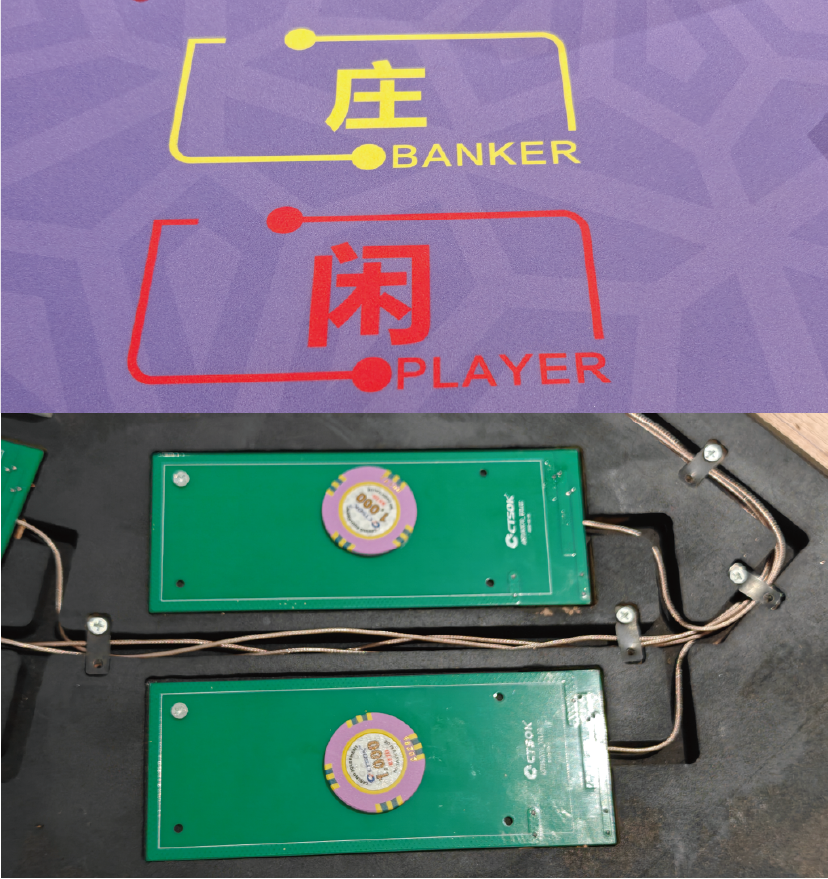
Software and analytics platforms represent a critical differentiator in the RFID casino table market. Beyond basic chip tracking, contemporary systems offer real-time game analytics, player behavior insights, dealer performance metrics, and predictive maintenance capabilities. Distributors should evaluate the software ecosystem surrounding RFID hardware, as these analytical capabilities often determine the operational value that casinos realize from their RFID investments.
Integration capabilities have become essential as casinos seek unified operational platforms. RFID casino table systems must integrate seamlessly with casino management systems, player tracking platforms, marketing automation tools, and financial reporting systems. Distributors who understand the integration requirements of major casino technology vendors can provide valuable guidance to operators implementing comprehensive technology strategies.
Supply Chain and Inventory Management Implications
For gaming equipment distributors, the RFID casino table market presents unique supply chain considerations that differ from traditional table game equipment distribution. RFID systems require coordinated delivery of hardware, software, and consumable components with specialized handling and installation requirements.
Component lifecycle management becomes more complex with RFID-enabled equipment. Gaming chips, antenna systems, and reader hardware each have distinct durability characteristics and replacement cycles. Distributors must develop inventory strategies that accommodate these varying lifecycles while maintaining availability for urgent replacement needs. Building appropriate safety stock for critical components protects both the distributor and their casino clients from operational disruptions.
Technical support requirements escalate with RFID system distribution. Unlike traditional table layouts and accessories, RFID systems require ongoing technical support for software updates, hardware troubleshooting, and integration maintenance. Distributors entering this market must invest in technical training for their support teams or establish partnerships with manufacturers that provide responsive technical assistance.
Installation and commissioning services represent an additional revenue opportunity and a critical customer touchpoint. Professional installation ensures optimal system performance and reduces warranty claims arising from improper setup. Distributors who develop in-house installation capabilities or cultivate relationships with qualified installation contractors can capture this service revenue while ensuring customer satisfaction.
Strategic Positioning for Gaming Equipment Distributors
Success in the RFID casino table market requires distributors to evolve beyond traditional equipment supply relationships. The technology-intensive nature of RFID systems demands a consultative sales approach, deep product knowledge, and ongoing partnership with casino operators.
Developing technical expertise within the distribution organization is fundamental to credibility and effectiveness in this market. Sales and support teams must understand RFID technology principles, system architecture, integration requirements, and troubleshooting methodologies. This expertise enables distributors to serve as trusted advisors to casino operators evaluating RFID investments rather than merely order-takers for equipment shipments.
Building strong manufacturer partnerships is essential for market access and competitive positioning. Established RFID casino table manufacturers offer varying levels of distribution support, including training programs, marketing assistance, and technical resources. Distributors should evaluate potential manufacturing partners based on product quality, technology leadership, support infrastructure, and distribution policy alignment.
Understanding the competitive landscape enables distributors to position their offerings effectively. The RFID casino table market includes both established gaming equipment manufacturers and specialized RFID technology providers. Each category of supplier offers different strengths and limitations. Distributors must assess which supplier partnerships best serve their target market segments and strategic objectives
Macaumr RFID Solutions.
Market Challenges and Risk Mitigation
While the RFID casino table market presents significant growth opportunities, distributors must navigate several challenges and risks inherent in technology-intensive distribution.
Rapid technology evolution creates obsolescence risk for inventory and knowledge investments. Distributors must maintain current awareness of technology trends and carefully manage inventory to avoid holding obsolete equipment. Close communication with manufacturer partners regarding product roadmaps and transition timelines is essential for managing this risk.
Price competition intensifies as RFID technology becomes more commoditized and the market approaches maturity in some segments. Distributors must differentiate their offerings through service quality, technical expertise, and value-added capabilities rather than competing primarily on price. Building strong customer relationships based on trust and demonstrated value protects margins against price erosion.
Regulatory complexity across jurisdictions creates compliance challenges for global distribution operations. Different markets impose varying requirements for gaming equipment certification, technical standards, and documentation. Distributors serving multiple jurisdictions must maintain comprehensive regulatory knowledge and ensure their offerings comply with all applicable requirements in each target market.
Future Market Outlook and Opportunities
The RFID casino table market trajectory points toward continued growth and increasing sophistication over the coming years. Distributors who position themselves effectively will capture significant value as the market evolves.
Artificial intelligence integration represents the next frontier for RFID casino technology. AI-powered analytics will enable predictive game performance optimization, automated anomaly detection, and personalized player experiences. Distributors should monitor these developments and prepare to support casinos implementing AI-enhanced RFID systems.
Emerging gaming jurisdictions present greenfield market opportunities as new casino developments come online. These projects often specify current-generation RFID technology from inception, creating substantial installation opportunities for distributors with the capacity to support large-scale deployments.
Retrofit and upgrade markets will grow as early RFID installations reach end-of-life and casinos seek enhanced capabilities. Distributors who maintain relationships with existing RFID installations and understand upgrade pathways will capture this replacement demand.
Frequently Asked Questions
What is driving the growth of the RFID casino table market?
The RFID casino table market is growing due to increasing regulatory requirements for game integrity, operational cost pressures driving automation adoption, competitive dynamics among casino operators, and the demonstrated operational benefits of RFID technology including enhanced security, improved efficiency, and data-driven management capabilities.
Which regions show the strongest demand for RFID casino tables?
The Asia-Pacific region demonstrates the fastest growth driven by integrated resort developments in Macau and Singapore. North American markets show mature adoption with consistent replacement demand. European markets present diverse opportunities with varying adoption rates across jurisdictions based on regulatory requirements and market development stages.
What should gaming equipment distributors consider when entering the RFID market?
Distributors should invest in technical training for their teams, develop strong manufacturer partnerships, build appropriate inventory strategies for RFID components, establish technical support capabilities, and consider offering installation and commissioning services to differentiate their market position.
How is RFID casino table technology evolving?
Technology evolution includes improved chip reliability and security features, advanced antenna systems with better coverage, sophisticated software platforms offering real-time analytics and player insights, enhanced integration capabilities with other casino systems, and emerging artificial intelligence integration for predictive analytics and automated optimization.
What are the key challenges for distributors in the RFID casino table market?
Key challenges include managing technology obsolescence risk through inventory and knowledge management, maintaining competitive positioning against price competition, navigating regulatory complexity across jurisdictions, and developing the technical expertise required for consultative customer relationships in a technology-intensive market segment.